HOA elections keep your association moving forward. But one wrong move can damage both your relationship with homeowners and put you at risk of legal issues. Fair, compliant elections aren’t negotiable, but many volunteer-run HOA boards still find themselves scrambling at the last minute, trying to piece together an election process on the fly.
Before The Election
Preparing well in advance is the key to running a smooth, compliant HOA election.
During The Election
Once your election is underway, your job shifts from planning to active oversight.
After The Election
Wrapping up the election properly reinforces transparency and will help you run better elections in the future
It’s easy to miss key requirements, like bylaw-mandated deadlines or quorum rules, without a clear plan in place before the election. However, even honest mistakes can jeopardize the validity of an election and erode confidence in your board’s ability to govern.
Advanced planning will help you run a successful, problem-free HOA election. Follow this checklist, with some additional helpful links from Survey & Ballot Systems, the experts behind SnapBallot™, to confidently plan every stage of the process, from preparation to election day, to run an election that inspires confidence in your HOA.
Before The Election
Use this checklist to set the stage before the election begins.
Understand Election Requirements
Start by reviewing your governing documents and any applicable state laws. Your HOA’s bylaws should spell out important election procedures like:
- How far in advance to send election notices
- Who is eligible to vote or run for office
- How to format ballots
- What constitutes a valid election
It’s also smart to double-check your state legislature’s website to see if any new HOA election laws have passed since your last vote. Election laws can change, and staying informed keeps your process compliant from the start.
Review Last Year’s Election
Before you plan this year’s election, reflect on how last year’s election went. Look at participation rates, voter feedback, and any logistical challenges you faced. Were there delays, unclear communications, or issues verifying voter eligibility?
Don’t repeat the same mistakes. Ask other board members and homeowners for feedback before planning an election to learn from past pain points. That’s the key to designing better elections and improving participation rates over time.
Decide On Dates
Create a clear timeline that maps out every milestone, such as:
Nominations
Candidate Announcements
Voting & Ballot Deadlines
When To Announce Results
Choose an Online Voting Tool
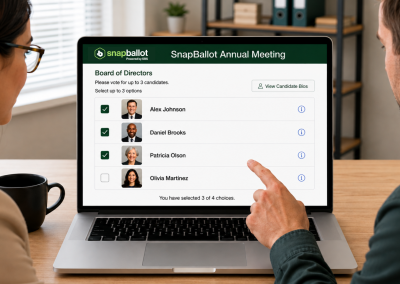
Switching to an online voting tool can save hours of administrative work, not to mention make voting easier for homeowners. Tools like SnapBallot are user-friendly, affordable, and don’t require any technical expertise to set up.
Upload your voter list to SnapBallot, which will automatically apply your eligibility rules so you don’t have to manage this manually in spreadsheets. Then build your ballot directly in the platform and review it for accuracy before publishing.
Set Up Communications
Clear, proactive communication is the key to a successful HOA election. Before an election, create a communication plan that ensures homeowners know what’s happening, why, and when.
Share your full election timeline with all homeowners so they understand the process from start to finish. Your governing documents may outline some of the notice requirements, so follow those closely.
Solicit nominations for open positions, including clear instructions about eligibility and deadlines. As the election approaches, announce the official election dates and distribute candidate profiles so voters can make informed decisions. If you’re using SnapBallot, you can schedule these email announcements in advance, making it easy to stay organized and keep everyone in the loop.

During The Election
This stage is all about keeping participation on track and supporting homeowners while they cast their ballots.
Monitor Participation
Track participation throughout the election period to make sure you’re on pace to meet quorum, which is the minimum number of votes you need for a viable election. If it’s getting down to the wire and you haven’t achieved quorum, you can send out additional emails or other communications to encourage more participation. If you’re using an online voting platform like SnapBallot, you can see real-time participation reports, which makes it easier to catch these problems early.
Reply To Questions ASAP
Prioritize answering questions as quickly as possible, especially as deadlines approach. A delayed response could prevent someone from casting their vote on time.
Designate one board member or committee member to serve as the main point of contact for election-related questions. This avoids confusion and ensures every homeowner gets a timely, accurate response.
Continue Communicating
Homeowners should continue hearing from you during the voting period. Not only should you send a few friendly nudges to encourage members to vote, but you should also proactively address concerns or questions.
Address frequently asked questions in your updates to reduce confusion and prevent a flood of last-minute questions. Reminder messages are often the single most effective way to boost participation, so don’t hesitate to send more than one during the voting window. SnapBallot offers options for multiple email outreach, so you can keep your members informed every step of the way.
After The Election
Announce the Results
Share the election results with all homeowners immediately after finalizing them. But don’t just share the outcomes; include the number of votes cast, which candidates were elected, and any approved measures or bylaw changes. Being as transparent as possible builds trust.
The challenge is that it can take days (or even weeks) for HOA boards to count and certify elections manually. These hand counts are time-consuming and prone to error, so use SnapBallot to calculate election results in real time.
Store Election Data
After an election, it’s tempting to wipe your brow and turn to other matters, but your work isn’t over. It’s your responsibility to maintain accurate records of everything related to the election, including ballots, results, communications, and participation data. You may need this information later for an audit or if a homeowner contests the election. Bylaws and state laws usually specify a certain amount of time you’re required to keep this information on hand.
Gather Survey Feedback
Homeowner feedback is a crucial part of preparing for next year’s HOA elections. Send a quick post-election survey to homeowners asking what worked well and what could be improved. SnapBallot can help you generate this satisfaction survey in just a few clicks. Look for common themes in their feedback to spot the most important issues. Take note of this feedback and review it when you start this checklist again next year.
Build a Repeatable Election Process
Running an HOA election takes some effort, but it doesn’t have to be a daunting process. A little preparation will go a long way to helping you design a simple and compliant election that keeps your association moving forward.
Don’t leave something this important up to memory or chance. Create a repeatable process you can use year after year. With the right tools and a clear plan, HOA elections will stop feeling like chaos and start feeling like progress.