
No IT? No problem. Follow these steps to plan a digital vote without any technical experience:
- Choose a DIY voting platform
2. Build a compliant ballot
3. Manage voter access
4. Communicate with voters
5. Verify the results
Running a fair, transparent election shouldn’t require an IT department or a crash course in cybersecurity. But even if you consider yourself tech-savvy, the technical side of online voting can be intimidating for anyone. Between protecting voter data and ensuring anonymity, even simple elections can become logistical nightmares.
While you used to need IT to run a secure election, that’s no longer the case.
Secure, professional-grade voting is available to everyone, regardless of your budget or technology skills. Modern DIY voting tools like SnapBallot™ make it easy for anyone to design and manage an online vote with confidence. No coding, no consultants: just a few clicks to create a verifiable election that members trust.
In this guide, you’ll learn why planning a vote without IT can be challenging, plus a step-by-step process for preparing a successful DIY election.
Common Challenges of Running Member Votes Without IT Help
Running a secure, transparent vote without technical expertise can feel like juggling with one hand tied behind your back. It’s no wonder that so many associations still rely on manual ballots, spreadsheets, and email or paper voting. These options seem simple at first, but they require a lot of hands-on time and increase the risk of error. Not only that, but they also come with security issues.
Manual votes make it easy for errors to slip through, from duplicate entries to misplaced ballots. Email voting, meanwhile, leaves no reliable audit trail and opens the door to data breaches and unverified results. Without the right system in place, it’s difficult to guarantee voter anonymity or confirm that you only counted votes once.
As an administrator or board member, you already wear too many hats. You don’t have time to troubleshoot tech issues when more pressing matters, like member outreach, are what really need your attention. That’s why more associations are embracing DIY digital voting tools that handle the technical side for you.
Get an affordable voting platform that anyone can use – no tech skills required.
How to plan a vote without IT
These challenges typically make it very difficult for resource-strapped associations to embrace digital tools. Fortunately, solutions like SnapBallot fill the gap so organizations of any size can design secure elections without spending their entire budget on an IT consultant. Follow these five steps to plan a secure vote – no IT team required.
1. Choose a Platform for Non-Technical Users
The first step in running a secure election without IT support is finding a voting platform built for everyday people, not software engineers. Look for a solution that balances ease of use with robust security, so you can set up elections confidently from start to finish.
With that said, you do need to understand some terms to find the right platform. At a minimum, the digital voting platform needs to include:
- Bank-level encryption to protect sensitive voter data.
- SOC 2 compliance and third-party audits to verify data security.
- Guided setup that walks you through creating ballots and uploading a voter list.
- Real-time reporting so results are visible the moment polls close.
Even the most transparent election can fail if the technology feels intimidating or requires IT intervention. That’s why platforms like SnapBallot are designed specifically for non-technical users. With its simple five-step setup and mobile-friendly voting interface, you can create and manage your election vote in minutes, all without relying on an outside consultant.
2. Build a Compliant Ballot
Picking a DIY voting platform is the most important step in the process, but you aren’t done yet. Next, you need to build a secure ballot for voters.
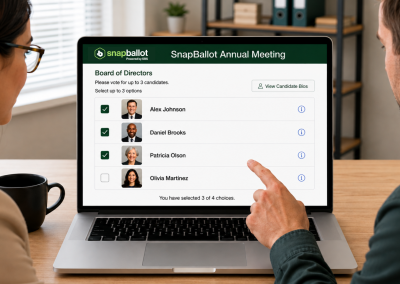
Your ballot should be very clear. Include relevant context, such as candidate bios or background details on proposals, so voters can make informed decisions without looking for more information.
Next, consider accessibility and eligibility. Your voting tool should allow you to customize ballots by voter group, apply weighted votes when needed, and automatically include or exclude specific members. This helps ensure every eligible voter receives the right ballot.
Not sure where to begin? SnapBallot keeps things simple. Each step in the setup process is straightforward, making it easy to build your ballot, add candidates, and include any supporting information.
3. Manage Voter Access and Privacy
Even the most carefully designed ballot can’t guarantee a fair election if someone votes who isn’t supposed to. To plan a secure and compliant vote, you need to know who can vote. You also need safeguards in place to protect their information, just in case.
Start by verifying your voter list. Whether you’re pulling from membership records or spreadsheets, accuracy is essential. Remove duplicates, confirm eligibility, and check for up-to-date contact information. Once finalized, every voter will receive a unique, secure voting link – never a shared login or open form.
SnapBallot keeps every ballot secure from start to finish. Each voter receives a personalized, encrypted ballot link, which prevents double voting or unauthorized access. Plus, detailed audit logs ensure full transparency if questions come up later.
4. Communicate to Boost Participation
Even the most secure, well-designed election can fall flat if members don’t know how to vote. Clear communication is the secret to strong participation rates and smooth elections.
Start by outlining your election timeline early. Announce key dates, such as nomination deadlines and voting periods, across all your usual communication channels, including email and your website. When members understand what’s happening and when, they’re far more likely to take part.
During the voting period, keep messages short and direct. A reminder that takes less than 30 seconds to read is more effective than a long explanation. Send a kickoff email when voting opens, a mid-week nudge, and a final reminder before the deadline.
You don’t need a separate email tool for this, either. SnapBallot sends automated email reminders that include each member’s secure voting link, so there’s no need to copy-paste hundreds of emails.
5. Verify Results
When voting closes, the final step is ensuring that your results are accurate. Traditionally, this process involved manually reviewing each ballot and verifying that you had counted the member’s ballot accurately.
A digital platform makes this much easier. SnapBallot generates detailed reports, including timestamps and total votes cast. It also generates audit-ready logs that track every stage of the election. You can view vote totals instantly in real-time, export official summaries, and keep an encrypted record for compliance.
The Future of Secure Voting Is DIY
Digital voting software might sound complex, but the right tool makes all the difference. Choosing a user-friendly platform like SnapBallot supports quick adoption and secure elections, with the added benefit of not needing an IT team.
The key is finding a tool that balances security with simplicity. SnapBallot combines bank-level encryption and audit-ready transparency with a simple setup that anyone can master. There’s no need to hire a pricey IT team or cling to outdated spreadsheets: just secure, verifiable results you can trust.